The ideas, spoken.
Two series in two languages — Working Theory in English, Friends Intelligence in Chinese. One idea per episode, face to camera. Every episode lives here first, with its captions and transcript; LinkedIn and 小红书 are where it travels. And one series without words: at the piano, one unbroken take per film.
Working Theory
The theory series, spoken — one idea per episode, face to camera, published here first and distributed on LinkedIn.
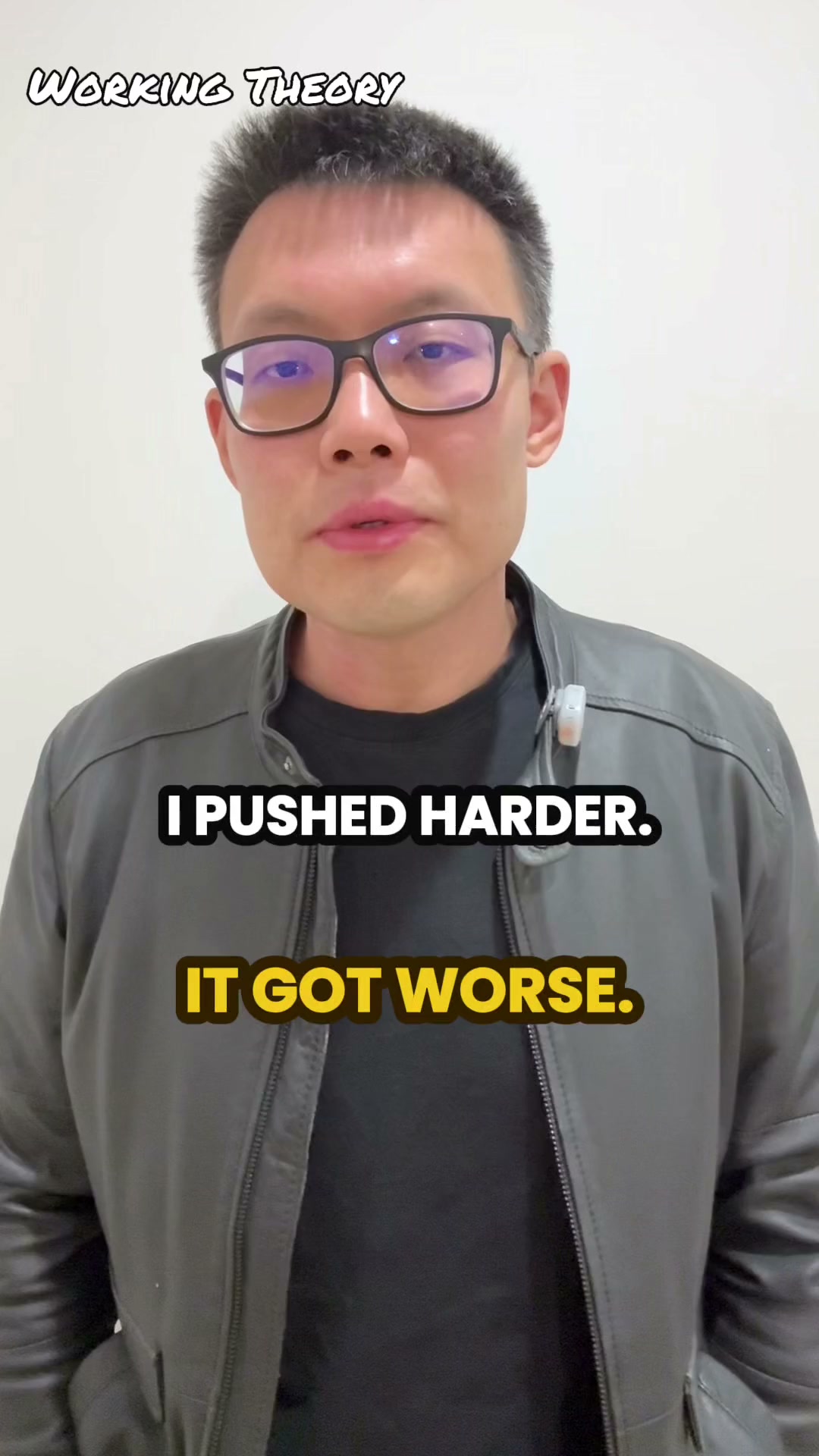
Hao once asked sibling teams to commit capacity for a customer problem, and kept pushing before he understood their priorities; their leaders were already stretched. The reason it backfired is a matter of visibility: we know every detail of our own problem, so it feels bigger and more urgent, and we know far less about other teams' problems, so they seem less important. The more senior we become, the more effort it takes to see those other perspectives, and the question to ask before pushing for commitment is what matters most for the organization.
In the last few months Hao dictated more than 135,000 words outside of work, and about twice that through voice control. With AI on the other end there is no need to type precisely: say the rough ideas, the rough meaning, and let AI format them. A real example: a few-hundred-word Slack reply that used to take 15 to 20 minutes, spoken as three rough points, came back 20 seconds later as a well-formatted message full of context pulled from previous conversations.
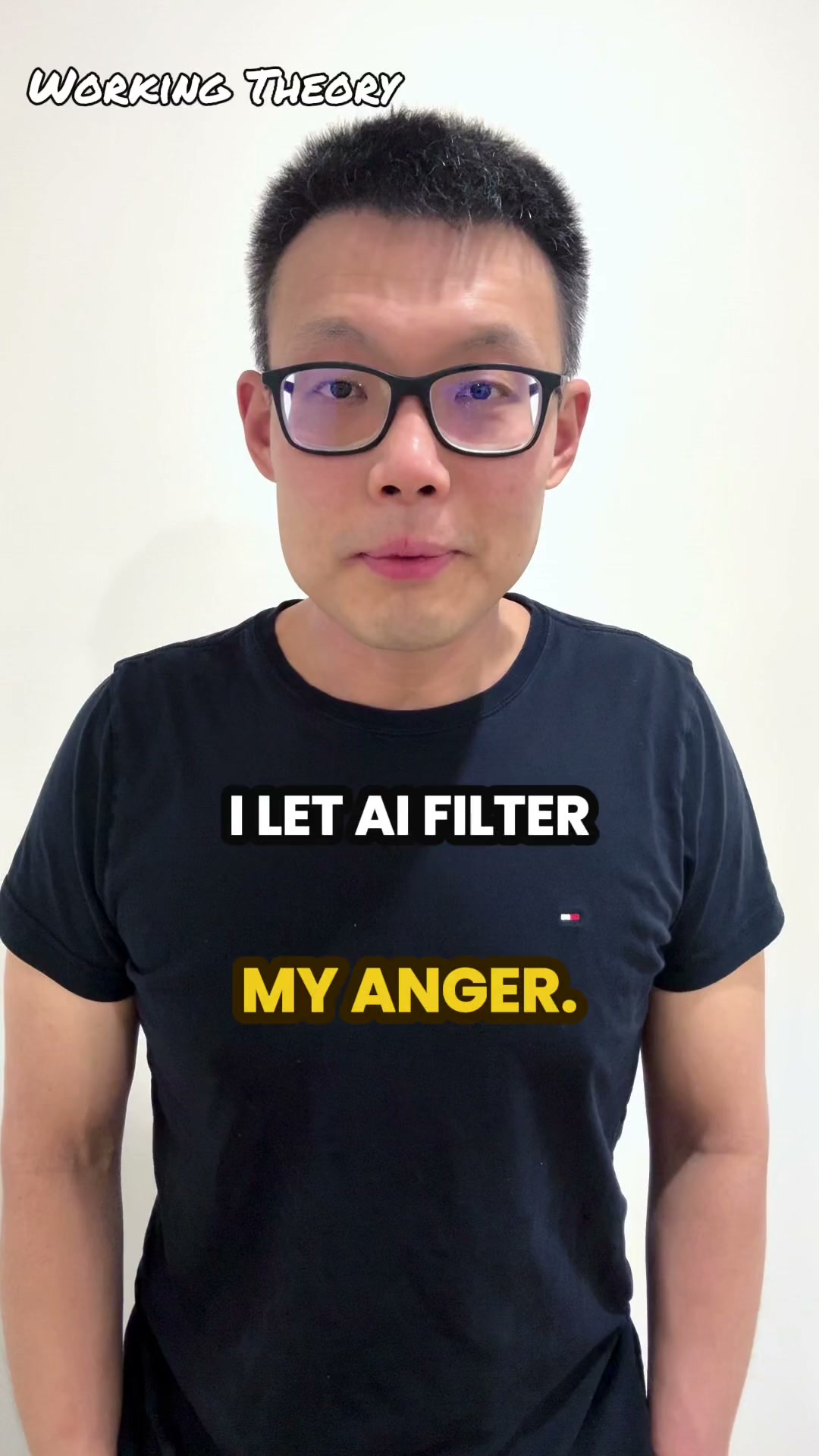
Do you want a personal assistant who catches you every time you get emotional and stops you from saying stupid things? Hao does. When someone breaks a promise again, or tells others something that never happened, he talks to AI first, by voice, with the raw emotion and the facts. Then one request: filter out the emotion, keep the facts, format the message. What goes out, in writing or in person, is the same information, delivered without hurting anyone.
Hao builds apps and websites for a few paying clients: brokers, restaurant owners, accountants. For a decade his muscle memory was SaaS: extendable APIs, schemas that survive multiple tenants, every side project built as if many customers would one day share it. That assumption no longer holds. When the next client reaches out, nothing has to be injected into an existing system and no code has to be reused; a new system from scratch takes days, so it can be hard-coded for one person, one business, one entity. The question the episode leaves open: in the age of AI, which muscle memories do we need to change?
Before taking on one more thing, check three layers, from easy to hard. Time is the easy one: three hours left, a two-hour task, do it or push it. Thinking is harder: three hours on the clock is not three hours of thinking, and nobody thinks for eight hours even in an eight-hour day, so ask whether the decision is today's or tomorrow's. The hardest layer is emotional reserve. Hard conversations, performance management, escalations, conflicts and urgencies all draw from it, and most people never check the balance. Some things cannot be done today simply because that reserve is spent.
People think senior leaders look calm because they delegate more, or because they have seen it all. The real reason is survival. The higher you go, the more decisions land on you: harder ones, with less information and more at stake. A stressed brain makes bad calls, and that is physiology, not attitude: under stress the part of the brain that weighs options goes silent and the part that reacts takes over. So the moment the pressure goes up is exactly the moment to slow down.
Unscripted, spoken direct to camera. Hand someone the ownership of a project and listen to the reply. "I will support it. I will guide it. I will enable it." Each of those sentences steps quietly out of the owner's seat: if the project fails, the person was only helping. The manager's job is to catch that moment and say it plainly — you are not supporting, you are not enabling, you own it, and you are the accountable person.
The first unscripted episode — spoken freely, no teleprompter. The common self-assessment mistake is telling a new story and hoping your manager digs in; but a manager recalls a whole cycle of perceived reality before your document ever lands. Anything completely new is a risk: unseen work, invisible impact, or worse. The fix runs through the whole cycle — use every one-on-one to present your impact, the data you changed, the needle you moved, so the self-assessment becomes a summary of a reality you already share.
You solved a serious cross-department problem — and everyone else saw one small task. In a large company people see only a compressed version of reality: each leader holds one fragment, nobody sees the whole system. So fixing the problem is only step one; the real job is converting the value you created into organizational memory — in the right forum, explain what broke, why it mattered, what changed, and why it won't happen again. That's not exaggerating the impact; it's making the full picture visible. The trust it earns becomes the capital for the next, bigger problem.

A few years ago even a simple web page took real skill; that barrier is gone. Anyone can describe what they want to an agent and get back an animated page with diagrams, formatting, video and sound. At work, people are building pages instead of sending long docs — pulling the data together, connecting the dots in diagrams, animating it. The downside is real (version control, commenting on a sentence); the upside is that you see it in a way a static page never showed you. Present your information in ways you couldn't imagine before — expand your vocabulary to code.
Text, video, documents — the carriers of information cost almost nothing to make now, and work is drowning in them. But the passage from seeing something to understanding it is as narrow as it has always been. Hao wrote a ten-page proposal with every edge case and every risk; his manager's feedback was “you lost me” — she cared, she just physically couldn't. The hard skill in the AI era runs both ways: presenting information at the right level of attention, and spending your own attention on the right information.
A good trainer adds five kilos to the bar — maybe ten, never twenty. Careers work the same way: the job is to keep finding the extra weight that's just right, whether that's a harder problem, a riskier deployment, one more team to align, or a project that runs months instead of weeks. One real example from Hao's team: an engineer who could coordinate inside the team and next door, given exactly one extra team beyond the org — on purpose, as a stretch — aligned them beautifully, and his range and Hao's trust grew together. Finding that weight, one person at a time, is most of the manager's job.
Early on, IQ does the heavy lifting: problems land well-defined and the job is to solve them well. Then scope grows, problems arrive fuzzy, and the day fills with hard conflicts, trade-offs and conversations — EQ becomes proportionally more important, and keeps going. One hard meeting where everyone walks out aligned can save a team weeks; a few sentences in the room can turn it. The bigger your scope, the more the EQ line carries your career — which line have you been training?
LinkedIn locked Hao out for posting three times in ten minutes — its spam filter is a model trained on the old world's data, where no human writes that fast. But that morning the three posts were real: ideas argued out loud with AI as a sparring partner, work that used to take hours done in minutes. Orgs run on models like that filter too — approval chains, review cycles, meeting cadence, planning timelines, all trained on how fast a human used to work. You don't argue with a stale model; you retrain it.
The same size project: four engineers and four months in 2021, two engineers and one month last year — call it 8 to 16 times faster, with nobody working longer hours. What changed is what engineers actually do all day: less writing code, more reviewing, aligning and setting guardrails — the judgment work. Which leaves one management question: team structure, planning and growth paths were all designed for the old job — do they still match the job engineers are actually doing now?
Why leadership communication is like adjusting a speaker's volume: the same words land as a whisper from a peer and a siren from a manager, your title moves your default volume, and the listener's moment moves their sensitivity. Told through one real story — a single curious question at a project review, asked during performance season.
Friends Intelligence
The book's seven intelligences, spoken in Chinese — one everyday practice per episode, face to camera, published here first and distributed on 小红书 (Xiaohongshu).
用七种智慧拆解生活:财富 · 关系 · 学习 · 情绪 · 营养 · 运动 · 睡眠。每集一个小窍门,先在这里发表,再发到小红书。

一个真实的饭桌故事:朋友为了补纤维点了一份薯条。土豆里确实有膳食纤维(100 克三四克,跟苹果差不多),可一份薯条还带着 15 克油——为了那点纤维吃进一堆脂肪,本末倒置。就像缺抗氧化就去点一个大份草莓蛋糕,吃了三个草莓,蛋糕顺便也吃了。该吃什么还是吃什么,所谓健康食品,健康在哪是有原因的。唯一一张图:苹果 vs 薯条,都是 100 克,纤维一样高,脂肪差 15 克。片尾预告下一条:体重一天掉两斤。

《Metabolical》(Robert Lustig)说腹部脂肪像寄生虫一样会控制我们的行为。身体靠两种激素管食欲:饥饿素(ghrelin)上来就饿,瘦素(leptin)上来就饱。腹部脂肪里的免疫细胞分泌炎症因子,让下丘脑对瘦素慢半拍、对饥饿素快半拍——吃饱了还想再来一口,有点饿就想去吃;多出来的那口变成脂肪又存回肚子上,它让你吃、你吃的养它,一个闭环。用法:想吃零食时低头看一眼小肚子,告诉自己是它在说话,我没那么饿,手缩回来。示意动画:趴在肚子上的小虫子、两种激素、拧旋钮、闭环;片尾预告下一条:快碳、慢碳。

肌肉里有两种纤维:慢肌纤维收缩慢但能一直输出,走路、慢跑、游泳靠它;快肌纤维爆发强但很快就累,站起来、提重物、冲刺靠它。不同肌肉的比例也不一样:肱二头肌快肌多,小腿的比目鱼肌慢肌多。每天走一万步的长辈,慢肌练得很好,可站起来这种短时间爆发的动作用的是快肌,没练到,所以吃力,年纪越大越明显。办法:在一万步之外加一点力量训练——徒手深蹲十个,拿一瓶重一点的矿泉水做十个弯举,坚持下去很快有感觉。把这条转给爸妈。片尾预告下一条:腹部脂肪,为什么有科学家叫它「身体内的寄生虫」。

肌肉一动会产生乳酸,乳酸穿过血脑屏障进到大脑,刺激大脑造 BDNF(brain-derived neurotrophic factor,脑源性神经营养因子)。BDNF 是大脑的肥料:让神经元长、连接变多,记忆和认知跟着上来。《Spark》(中文版《运动改造大脑》)讲的是美国很多学校让学生上课前先跑圈,运动完再学的学生学习效果明显更好。从进化上也说得通:祖先躲猛兽的时候腿在跑、脑子在算,采果子的时候要判断能不能吃、记住回家的路,几百万年下来,运动的时候就是大脑开机的时候。示意动画:乳酸进大脑、BDNF 肥料与神经元树、Spark 的实验、采果子的路;片尾预告下一条:快肌、慢肌。

身体里一直存着大约半公斤糖原:肝糖原约 100 克,是全身的总仓库,饿了分解回葡萄糖供能;肌糖原约 400 克,散在各块肌肉里,就地存、就地用。一碗米饭下肚,葡萄糖进血液后的顺序是先用、再存进肝糖原和肌糖原、存不下的才变脂肪——身体是台古老又精密的机器,最不愿意浪费能量。饭后百步走的道理就在这里:吃完饭动一动,哪怕只是擦擦桌子,肌肉先放掉一点电、再从血里把糖充回来,变脂肪那一步就少发生。马拉松前几天多吃碳水,是同一件事:先把电池充满。示意动画:人形里的半公斤糖、一碗米饭的四道门、肝仓库与肌肉电池、马拉松前充电、仓库满了糖还在来、坐着与走百步。

身体是一台高速运转的机器,运转就会冒火花,这些火花就是自由基(free radical)。它特别会抢电子:碰到哪个分子,就把人家关键部位的电子拿走,那个分子就失效了;超氧自由基(superoxide)是更大的火花。身体自带清理系统,但紫外线、睡不好、压力大、吃得不健康时,火花产生得比清理得快。大自然的答案是抗氧化剂(antioxidants):它主动给自由基一个电子,火花就安静了;来源最好的是新鲜的、五颜六色的蔬菜和水果。片中两处实拍是 Hao 当天给女儿做的下午茶:黄瓜、胡萝卜、蓝莓、树莓。示意动画:冒火花的机器、被抢走电子的蛋白质、超氧自由基、漫过红线的水箱、蔬果援军、递出一个电子的蓝莓。

自然界的脂肪大多是顺式的,分子中间有一个弯;反式脂肪多半是工业加工出来的,分子是直的。两种长得太像,身体组装细胞膜时分不清,吃进去什么比例,膜里就是什么比例。装进去以后最大的问题是脂代谢:它给胆固醇合成系统发了错误的信号,鼓励身体合成更多不好的胆固醇(LDL),日积月累挂在血管壁上,心血管疾病的风险就上去了。两件事:少吃油炸和膨化零食;做饭别让油冒烟,看看油瓶标签上的烟点,炒菜别超过它。这是第一条按全漏斗数据的三个杠杆做的片子:冷开场、2 分 21 秒、封面大字和标题说同一句话。
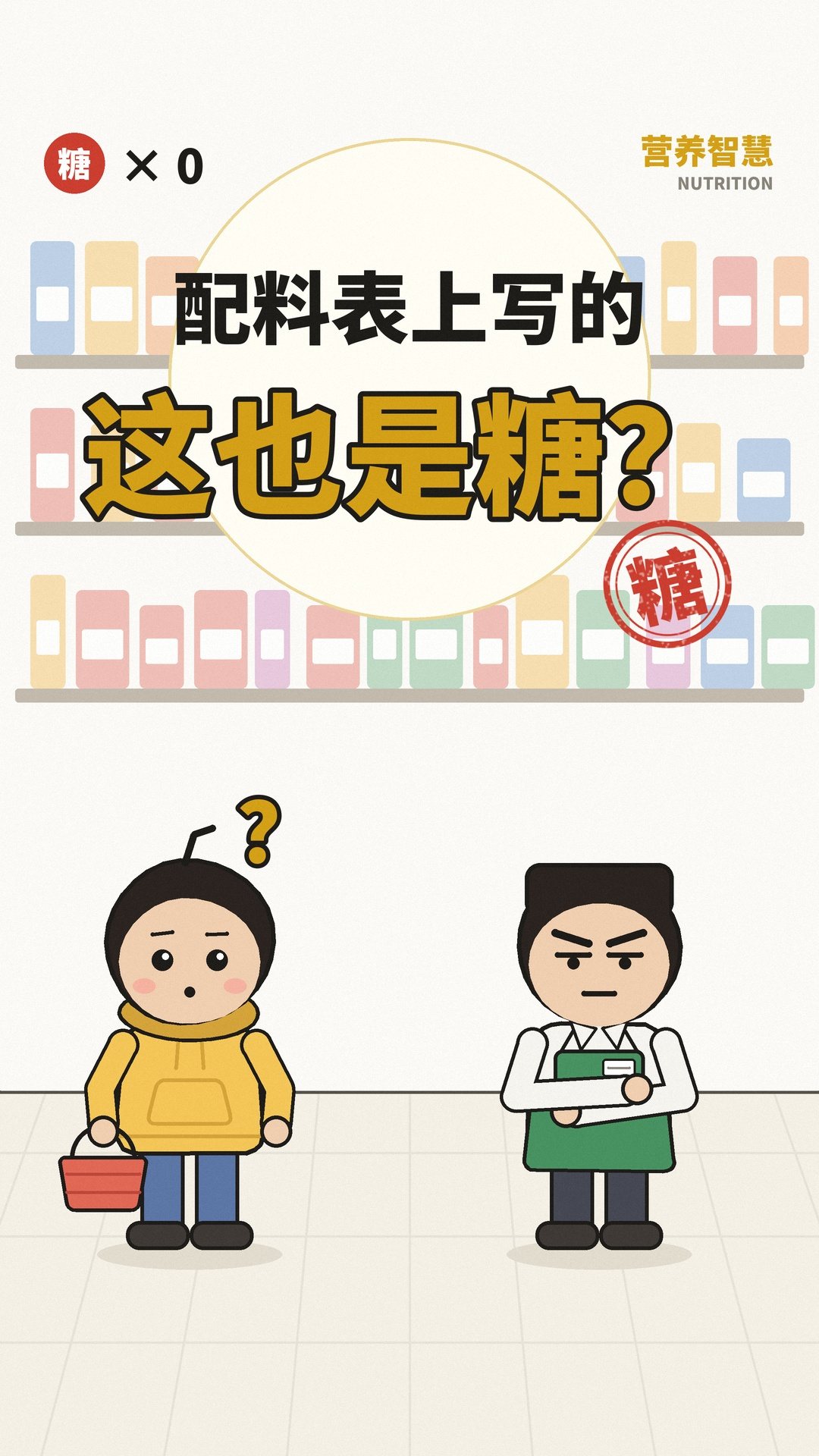
这一集没有出镜,是一部画出来的小短片:一个提着购物篮的顾客,在超市里一样一样举起来问「这是啥」,抱着胳膊的店员板着脸回答。Maple syrup、Honey、Coconut sugar、Glucose syrup、Corn syrup、Molasses、Agave、Brown rice syrup、浓缩果汁、复原果汁——包装上写着天然、0 蔗糖、不加糖,配料表里都是糖。只有一样东西没有配料表:一个完整的苹果。按世界卫生组织的定义,这十样都算游离糖;完整水果里的糖不算。是《糖,不一定叫 Sugar》那一集的续篇。两个小人不说人话,只发出游戏里那种小音,台词都在气泡里。

细胞的表面是一层脂肪酸分子(磷脂双分子层)。脂肪酸是一条碳原子的链,从 Omega 端数,第一个双键在第 3 位叫 Omega-3,在第 6 位叫 Omega-6。细胞膜里 Omega-3 的比例越高,膜越柔韧、越通透,胰岛素抵抗和炎症也越低;而细胞里的比例基本就是吃进去的比例。Omega-3 来自深海鱼、亚麻籽、核桃和新鲜的深色蔬菜;Omega-6 来自油炸食品、膨化零食、种子油和鸡皮。片中有三处说明:橄榄油主要是 Omega-9,不是 Omega-3 的主要来源;Omega-3 更软的教科书解释是双键让链子拐弯、排不紧(片中的绳子比喻是简化讲法);让细胞膜变硬的主要是饱和脂肪和反式脂肪,Omega-6 过多的问题是促炎。片中的示意动画:会变硬的细胞、碳链和双键的位置、单键与双键、绳子比喻、柔韧与僵硬的细胞膜、盘子比例变成细胞比例。

细胞上有门,血糖从门进;开门的钥匙是胰岛素。敏感的细胞,一点胰岛素门就开了,血糖平稳,人也平和。长期压力大、睡不好、吃高糖,细胞对胰岛素不敏感了(胰岛素抵抗):血里糖很多,细胞却拿不到;身体只好释放更多胰岛素,细胞更不敏感——恶性循环。习惯了大剂量以后,稍微饿一点身体就一下放出很多胰岛素,把血糖压得过低:大脑先缺,脑雾、听不进话;身体再放肾上腺素救场,于是手心出汗、心跳加快、脸发白。让细胞变敏感的三件事:少吃甜食(含糖饮料和果汁最快);吃饭先蔬菜纤维再米饭面条;吃完饭动一动。片中的示意动画:细胞的门和钥匙、生锈的门、血糖过山车、血糖压过低时的身体警报、吃饭顺序的两个盘子、饭后走一走。

脑科学家把大脑的功能分成几类:理解、记忆、回忆,还有一个很少人知道的——刹车(inhibition)。它是一个单独的功能:东北的小孩会去舔铁棒,是因为刹车还没长好;刹车那部分脑区受损的病人,看到热气腾腾的柏油路会真的光脚踩上去;赌博成瘾和刹车受损互相拖累。它每天能踩的次数有限:不怼同事、还是去上班、没发火、不打孩子,一天下来已经刹了很多次车,所以早上不想吃的巧克力晚上累了就忍不住。办法不靠刹车,靠环境:零食放进看不见的地方,省下来的刹车用到真正重要的事情上。片中的示意动画:四个功能、铁棒、一天的刹车余量、两种环境;另有一张诚实的注脚——「每天次数有限」的自我损耗理论 2016 年后有争议,但现象很真实。

糖分子活性很高,会粘到蛋白质上,把蛋白质的结构打乱:链状缠成一团,两条本来无关的蛋白质中间长出不该有的连结。身体会修,但修复能力有限;长期高糖,修不过来的破坏越积越多,最后变成 AGEs——没法再修复的终端产物。胶原蛋白对糖化最敏感:有规律的弹簧结构变成板结的网,变硬、失去弹性和光泽,皮肤就是这么老的。面包在面包机里变褐,第一步也是糖粘上蛋白质——美拉德反应。片中的示意动画:糖分子粘上蛋白质、蛋白质缠成一团、胶原蛋白板结成网、一张脸随「少糖 → 长期高糖」滑块变老、面包片变褐。

过去几十年我们把糖当成中性的;现在医学研究很清楚,游离糖对认知、情绪、代谢、胰岛素都有负面影响。可厂家很聪明,配料表上的糖有 23 个化名:化学名(sucrose、glucose、fructose、lactose),颜色和来源(beet、coconut、palm、cane、brown、white sugar,植物来源不等于更健康),糖浆和蜂蜜(honey、maple、glucose、corn、high-fructose corn syrup、brown rice、golden syrup、molasses),以及果汁和浓缩果汁——浓缩后剩下的就是糖。片中每个名字随他念出时停在屏幕上,最后随他的手势收成一个字:糖。给自己建一个反射:看到这些名字,都当成糖。

一段真实的营养学史。Ancel Keys 1953 年发表六国图:脂肪吃得越多,心脏病越多,一条完美的线。1957 年两位统计学家把当时能拿到的 22 个国家全放上去,关系弱得多——他只挑了正好排成一条线的六个。2016 年 JAMA Internal Medicine 公开的行业文件又补了一刀:糖业研究基金会付钱给哈佛学者,1967 年在《新英格兰医学杂志》发综述,淡化糖、把矛头指向脂肪。半个世纪,脂肪背了锅。落到自己的生活:看配料表,糖有上百个名字;能吃新鲜的,就别吃加工的。片中几处口误已在字幕与文字稿中更正。
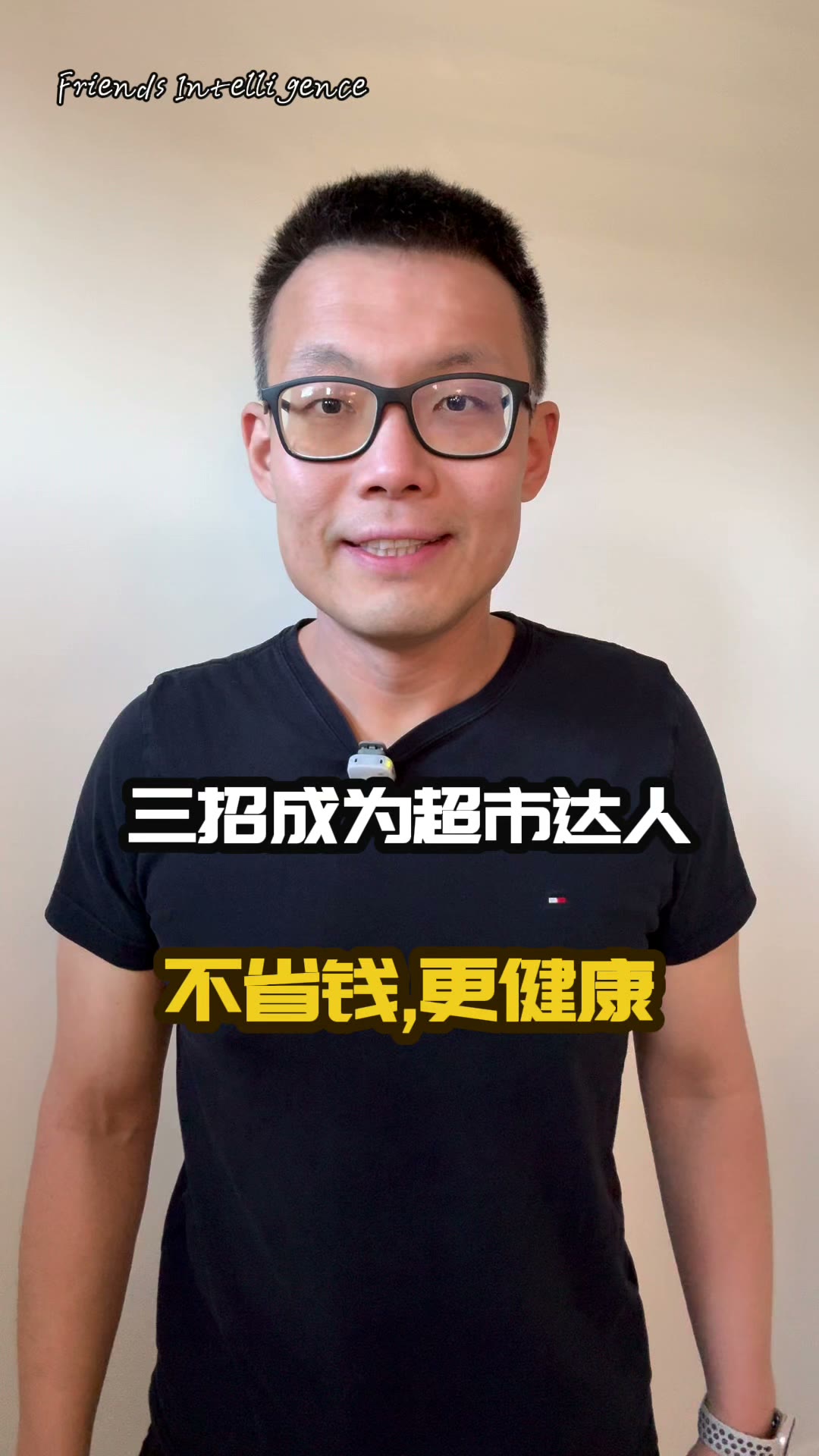
吃得好,从购物车开始。超市的货架摆放每一步都在让你多买不需要的东西,三招破解:进去之前先分三类(一定要买、可买可不买、一定不买);熟悉地形,必需品被故意分散在最远的角落,知道在哪就直走直拿、尽量不往两边看;结账排队时意志力最弱,收银台旁是全场利润最高的货架,提醒自己一句「我累了,小心顺手拿」。买的东西变了,身体就变了。

特别版,九分钟,一镜到底。夏萌(北京安贞医院,神经内科医生转营养科主任)说自己一直在悬崖底下救人,救的速度赶不上掉的速度,于是去了悬崖上面。Dr. Goobie(MIT 毕业的神经外科医生,公开使用的化名)做了九年手术后辞职:他觉得自己一直在补墙,屋子却还在漏水,真正长期好转的病人靠的是手术之外的事。Héctor García(《Ikigai》作者之一)在冲绳大宜味村看了一百多位百岁老人。三个人总结的是同一张清单:好好吃、睡够八小时、管住压力、常见朋友、天天动、好好喝水——不是做到一件,是都做到。片中两处口误已在字幕和文字稿中更正。

眼神不是修辞,它真的参与感情的建立。脑成像研究发现,当一张我们觉得有吸引力的脸看着我们,大脑里跟奖赏有关的区域反应会很强;心理学实验也发现,两个人相互注视之后,会报告更多的好感和亲近感。可很多夫妻在一起久了,吃饭看手机、聊天看手机,每天都在一起,却很少把完整的注意力给对方。今天就能试:他说话的时候放下手机,看着他的眼睛听他说完,不用一直盯着——你想传达的只有一句话,我在听,而且我真的感兴趣。

同一件家务,两种打法。「你为什么最近总是不刷碗」是把对方当成要解决的问题——这是拳皇。「最近家务比较多我比较累,我们怎么分担一下」是两个人一起面对同一件事——这是魂斗罗。经营亲密关系的能力,是把问题放在你们外面,而不是放在你们之间,哪怕这个问题本身就是你们俩的事。

亲密关系想升温,得多碰一碰对方——真正物理上的触碰。皮肤接触时身体会分泌催产素 Oxytocin,男女都一样。这个中文译名让人以为它只和生育有关,实际上它影响生活的方方面面:接触我们喜欢的人时大脑释放催产素,结果是对这个人感觉更有连接、更喜欢、更亲密、更平静。所以触碰爱的人不只是表达爱,也是从生理层面提高关系的温度:有时间拉一拉手、搭一搭肩、看电视时往一起靠一靠。

亲密关系里一个被忽略的维度:一致性。大脑喜欢确定性,喜欢知道明天的天气、股市、工作压力会怎样,对最重要的亲密关系也一样。情绪可预测的人——忙的时候低落一点、闲的时候好一点——给关系的是安全感;每天回家先“闻空气”猜对方今天怎么样,是持续的不确定。社会节奏越快,外面提供的确定性越少,身边这个人的稳定就越珍贵:越一致,越稳定,越可贵。

动物行为学家把网球放到鸭子面前,鸭子会放下自己的蛋去孵网球:自然界没有那么圆的东西,鸭子的大脑没进化到能分辨,网球成了比蛋更像蛋的超常刺激。手机里的短视频对大脑做的是同一件事——比身边任何真实关系都刺激得多。刷多了,回头看身边的人只剩无聊;把手机扔到一边,对世界的理解才靠近真实。

夫妻每天在一起的时间很多,但吃饭、躺着刷手机、靠在沙发上看电视,并不会自动变成真正的交流。手机、工作、孩子、账单给脑子套上一层枷锁,要有意识地每天空出二十分钟打破它。脑科学的底子是一句话:越了解,越喜欢——To know is to love。

身体入睡时平均体温要比白天低半度,降温和睡好觉互为因果;屋里一热,身体想降却降不下去,就辗转反侧。两招:卧室比平时低两度;睡前洗个热水澡——毛细血管扩张散热,先热后凉,反而更快进入低温状态。

天光讲的是一天的起点,这一集讲终点:睡前一两个小时逐渐调暗房间,松果体才会分泌褪黑素——脑白金模拟的正是这个过程。眼睛对蓝光最敏感,所以暖灯优先、屏幕少看;真能做到睡前不碰手机,改善是立竿见影的。

咖啡为什么提神:咖啡因分子和腺苷长得几乎一样,抢先和大脑的受体结合,腺苷排不上号,大脑就以为自己不困。代谢一轮要八小时——想十一点睡着,下午三点就是最后一杯。

睡不好的人,问题往往出在睁眼后的头两小时:大脑靠自然光判断“一天开始了”,看到天光才开始倒数十六小时的清醒时间。七点醒、九点才见光,大脑就要到凌晨一点才困。把昼夜节律的账算清楚,再给一个作弊技巧:模仿天光的灯。
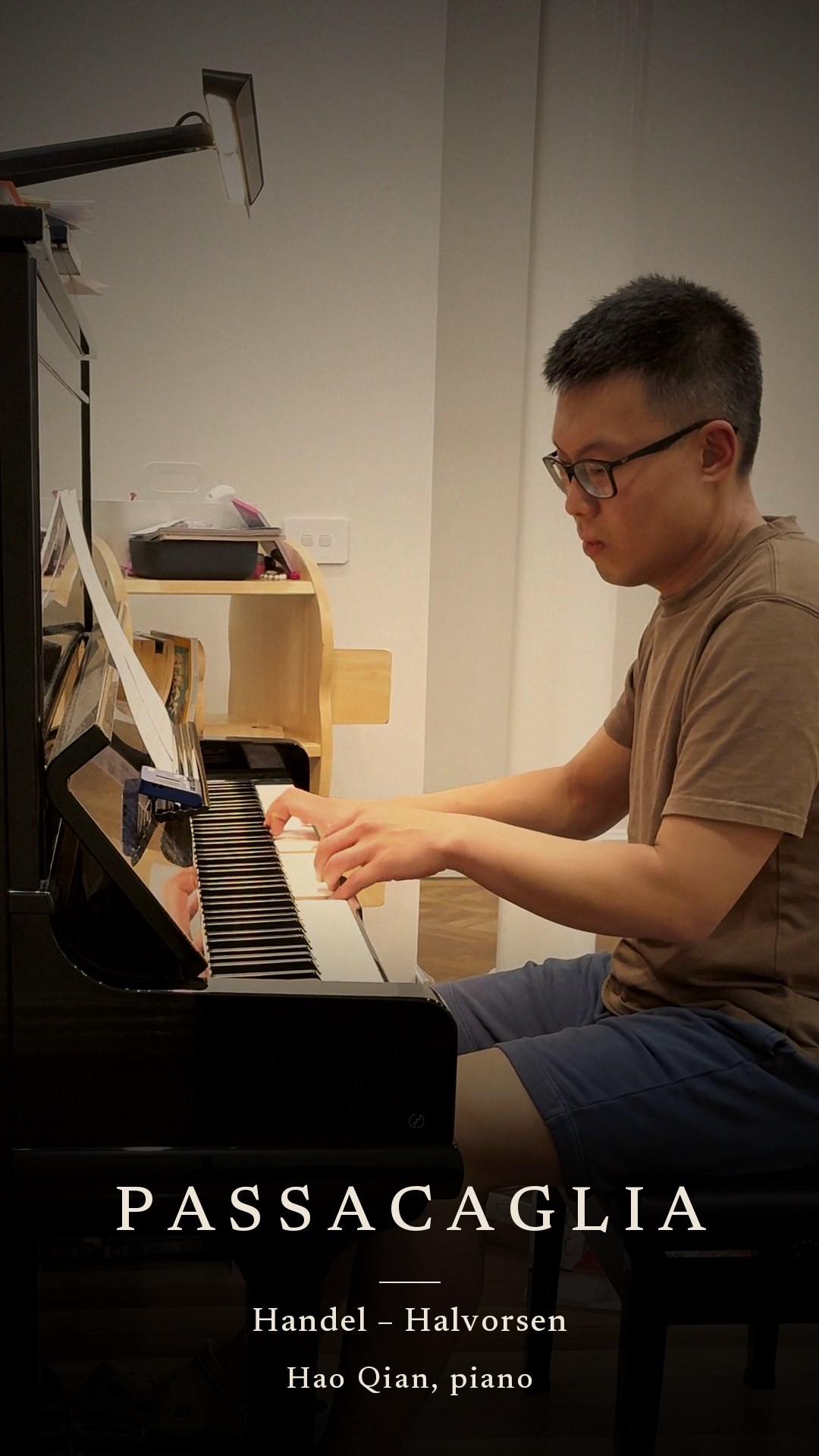
At the Piano
Hao at the upright piano at home — one unbroken take per film, every angle cut from a single camera, and the performance as the only soundtrack. Published here first, then shared on LinkedIn and WeChat Moments.